
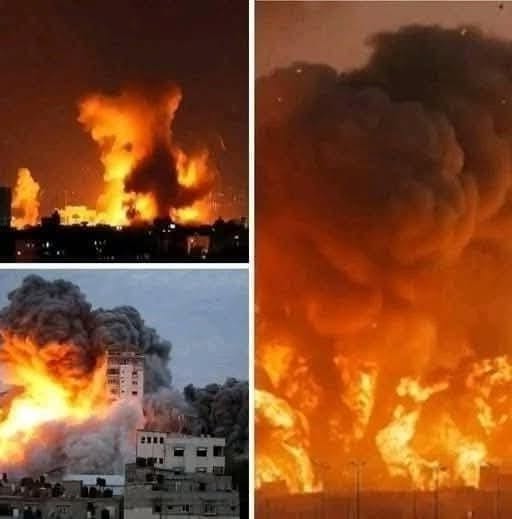
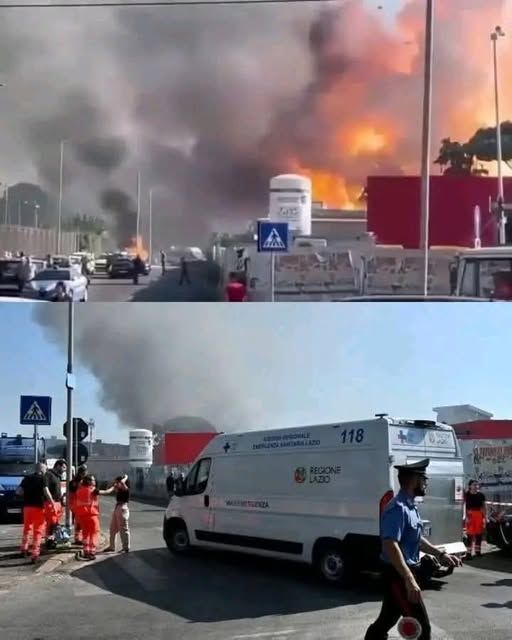
A routine morning drive on the Iztapalapa–Chalco highway turned into a major disaster when an LPG tanker overturned and exploded, sending flames across a busy stretch of road in eastern Mexico City.
The tanker was carrying more than 13,000 gallons of liquefied petroleum gas, according to the original report. After it overturned, the vehicle erupted into a large fireball that burned through nearby traffic and left a wide area covered in smoke, debris, and damaged vehicles.
Officials reported at least 15 deaths after the blast, with more than 70 people injured. Many of the injured were treated for serious burns and smoke inhalation, placing heavy pressure on emergency rooms and burn units in the area.
A Morning Commute Turned Into a Fire Zone
Witnesses described a powerful blast that shook nearby homes and businesses. Thick black smoke rose above the highway as drivers and passengers abandoned cars and motorcycles to escape the spreading fire.
More than 30 vehicles were reportedly consumed or damaged as flames moved through traffic. What is normally a key commuting route between Iztapalapa and Chalco became a scene of emergency response, road closures, and confusion as rescue crews worked to reach victims.
The impact was not limited to the highway. Nearby buildings and businesses also suffered damage from the force of the explosion, adding another layer of disruption for residents and local shop owners already dealing with the trauma of the incident.
Investigators Focus on Cause, Permits and Insurance
Investigators are examining the burned remains of the tanker as they work to determine what led to the crash and explosion. Early reports have pointed to several possible factors, including speed, mechanical failure, or driver error.
The disaster has also raised questions about whether the tanker had the proper permits and adequate insurance coverage. Those details matter because crashes involving hazardous cargo can leave families, businesses, and public agencies facing major medical costs, property damage, cleanup expenses, and long legal processes.
For residents along routes used by fuel and chemical transport vehicles, the case has renewed concern about how dangerous materials move through densely populated areas. Even when transport is part of daily commerce, the risks can become severe when oversight, vehicle maintenance, or route planning falls short.
Why This Matters
The explosion has intensified calls for tighter inspections, stronger enforcement, and possible rerouting of fuel tankers away from residential corridors. Advocates argue that safety rules must keep pace with the volume of hazardous materials moving through urban roads.
For Mexico City, the issue is bigger than one crash. It touches transportation policy, emergency preparedness, insurance responsibility, and the economic cost of shutting down a major route after a disaster.
Families are still waiting for updates on injured loved ones, while communities near the blast site are left with burned vehicles, damaged property, and difficult questions about whether the tragedy could have been prevented.
As the investigation continues, the central question remains simple: how can a city keep essential goods moving without putting commuters and neighborhoods at unacceptable risk?